Guest Speakers
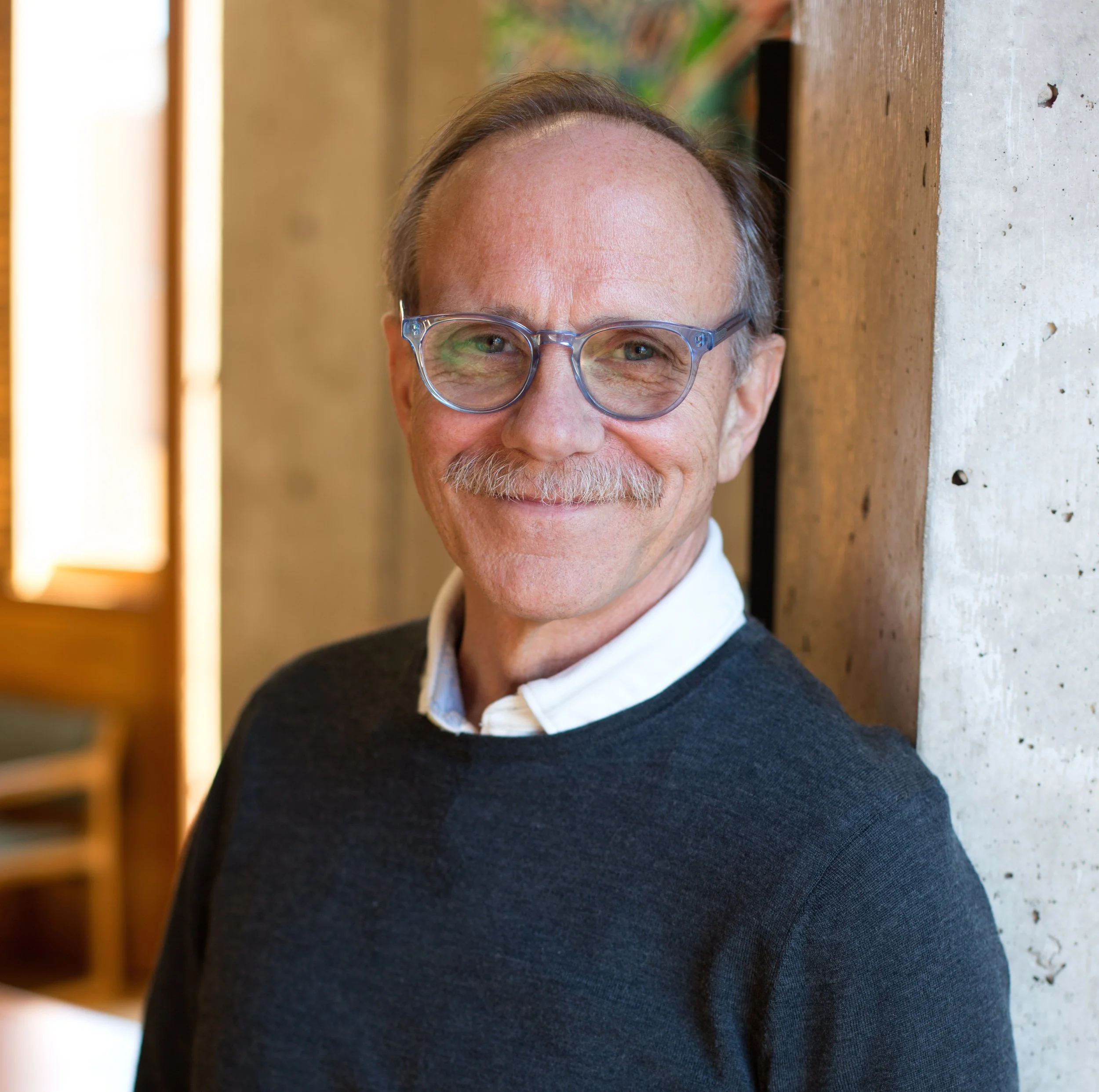
Prof Fred Gage - Salk Institute - La Jolla, California, USA
-
Dr. Gage is the Adler Professor in the Laboratory of Genetics, and immediate past President of the Salk Institute, and an Adjunct Professor, UCSD. He received his Ph.D. from The Johns Hopkins University. Dr. Gage's work concentrates on the adult central nervous system and unexpected plasticity and adaptability to environmental stimulation that remains throughout the life of all mammals. In addition, he models human neurological and psychiatric disease in vitro using human stem cells. His lab also studies the genomic mosaicism that exists in the brain as a result of mobile elements that are active during neurogenesis.
Dr. Gage is a Fellow of the AAAS, a Member of the National Academy of Sciences and the National Academy of Medicine, and American Philosophical Society, a foreign member of the EMBO and a Member of the American Academy of Arts and Sciences.He served as President of the Society for Neuroscience in 2002, and of the International Society for Stem Cell Research in 2012.
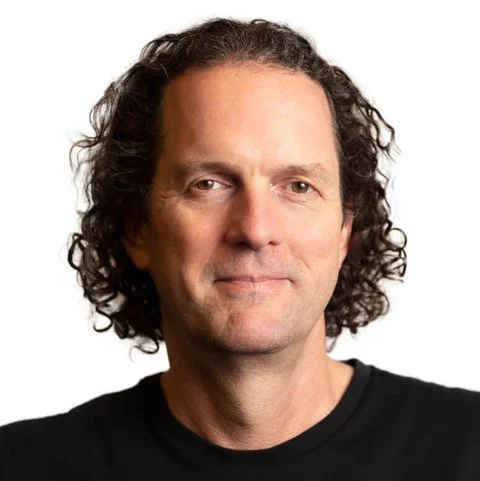
Prof Ed Lein - Allen Institute - Seattle, USA
-
Ed Lein is a Senior Investigator at the Allen Institute for Brain Science and an Affiliate Professor in the Departments of Neurological Surgery and Laboratory Medicine and Pathology (DLMP) at the University of Washington. He received a B.S. in biochemistry from Purdue University and a Ph.D. in neurobiology from UC Berkeley and performed postdoctoral work at the Salk Institute for Biological Studies. Ed joined the Allen Institute in 2004 and has provided scientific leadership for the creation of large-scale anatomical, cellular and gene expression atlases of the adult and developing mammalian brain as catalytic community resources, including the inaugural Allen Mouse Brain Atlas and a range of developmental and adult human and nonhuman
primate brain atlases. Particular current research interests involve the use of single cell genomics as a core phenotype to understand brain cellular organization, mammalian conservation and human specificity, define cellular vulnerability in disease, and identify regulatory elements that allow cell type-specific targeting and
Manipulation. He leads the Human Cell Types Department, which aims to create comprehensive cell atlases of the human and non-human primate brain, understand what is disrupted in Alzheimer’s disease, and create tools for precision genetic targeting of brain cell types as transformative tools for basic neuroscience and gene therapy. He is also a member of the BRAIN Initiative Cell Atlas Network (BICAN), a member of the Organizing Committee of the Human Cell Atlas (HCA), and a CIFAR fellow. Ed's areas of expertise include developmental neurobiology, structural
and cellular neuroanatomy, transcriptomics and epigenomics, comparative neurobiology, and Alzheimer’s disease. His research program work encompasses brain cell atlasing, comparative neurobiology, Alzheimer’s disease, and gene therapy.
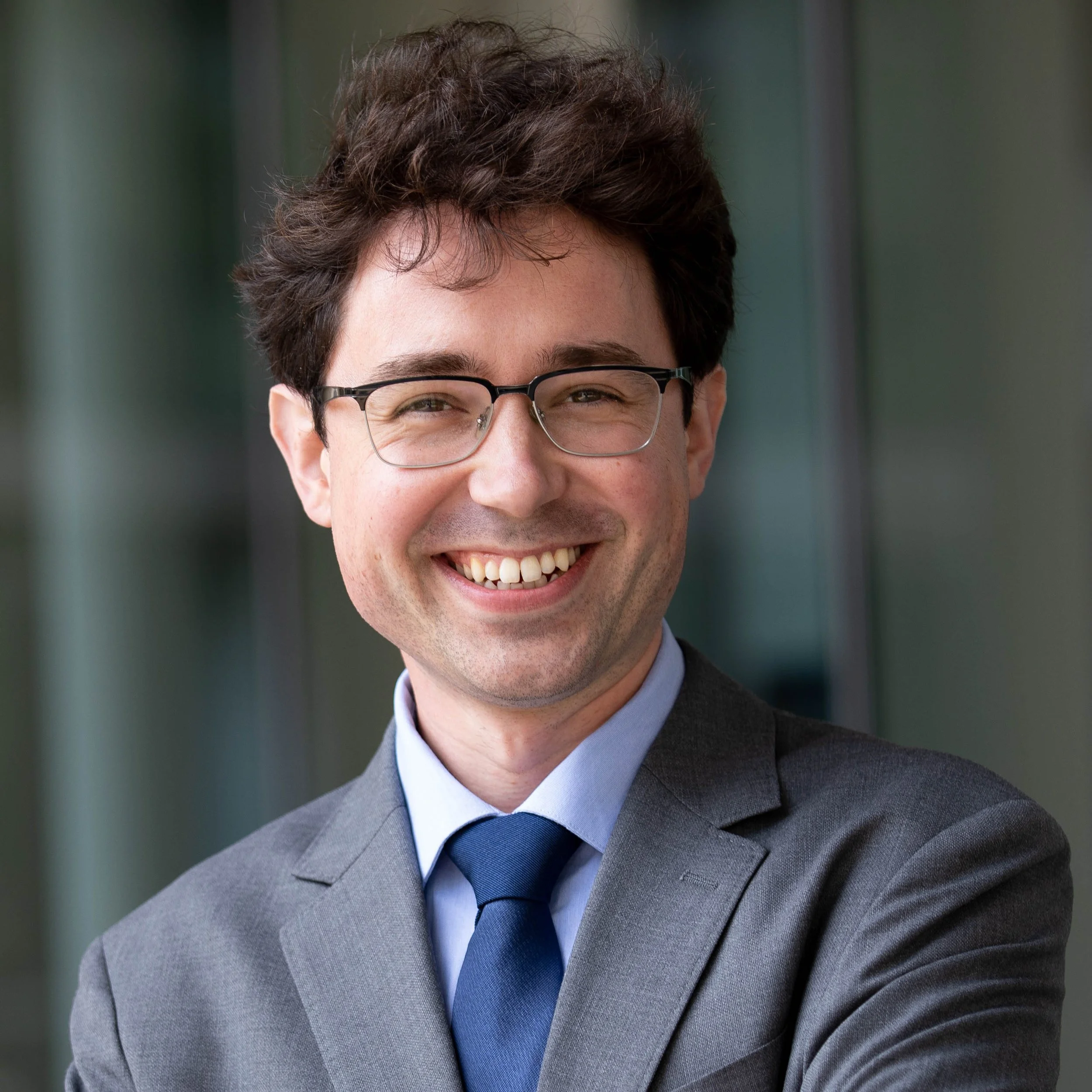
A/Prof Tomasz Nowakowski - UCSF - San Francisco, USA
-
Dr. Tom Nowakowski is an Associate Professor of Neurological Surgery at the University of California, San Francisco (UCSF), with joint appointments in Anatomy, Psychiatry, and the Eli and Edythe Broad Center for Regeneration Medicine and Stem Cell Research. He earned his PhD in Biomedical Sciences at the University of Edinburgh and completed postdoctoral training at UCSF before joining the UCSF faculty in 2017.
His research centers on human brain development, particularly cortical neurogenesis and gene regulatory networks, with the overarching goal of establishing the human brain as a primary model system for neuroscience. His lab develops scalable tools to map cell lineage, neuronal fate decisions, and synaptic connectivity in human brain tissue. This work has led to key discoveries, such as redefining the timeline of neuron and glia production and uncovering epigenetic maps of cortical areas.
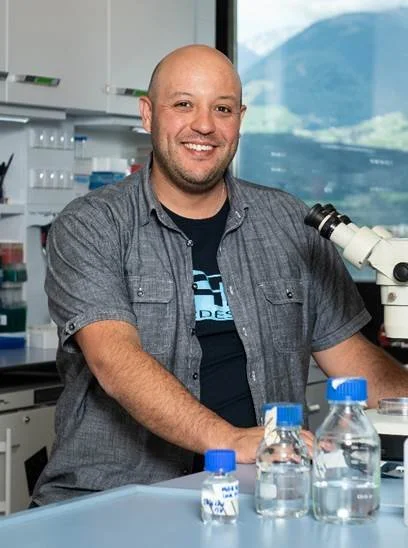
A/Prof Jerome Mertens - UCSD, San Diego, California, USA
-
Dr. Jerome Mertens is a stem cell biologist and Associate Professor and Riford Chair for Neurodegenerative Disease and Dementia at the Department for Neurosciences of the University of California San Diego, and Adjunct at the Salk Institute for Biological Studies. He obtained his PhD at the University of Bonn working on induced pluripotent stem cell (iPSC) models for Alzheimer’s Disease with Oliver Brüstle, and continued his research as a postdoc with Rusty Gage at the Salk Institute. Dr. Mertens’ lab focuses on modeling human brain aging and age-related neurodegenerative and other neurological disorders using patient-specific cellular reprogramming models. To study the interface between human biological aging and neurodegeneration, the lab uses direct conversion of human donor fibroblasts into induced neurons (iNs) to generate human patient-specific models that retain important aging information of their donors. Because iPSC reprogramming erases the aging information of somatic cells, the Mertens lab combines iN and iPSC technologies with functional genetics, next-generation sequencing techniques, and other ‘multi-omics’ strategies to complement functional cell biological approaches related to aging and neurodegeneration. The ultimate goal is to better understand age-related disorders via elucidating the interplay between genetic, non-genetic human age-related cellular changes and disease pathways.
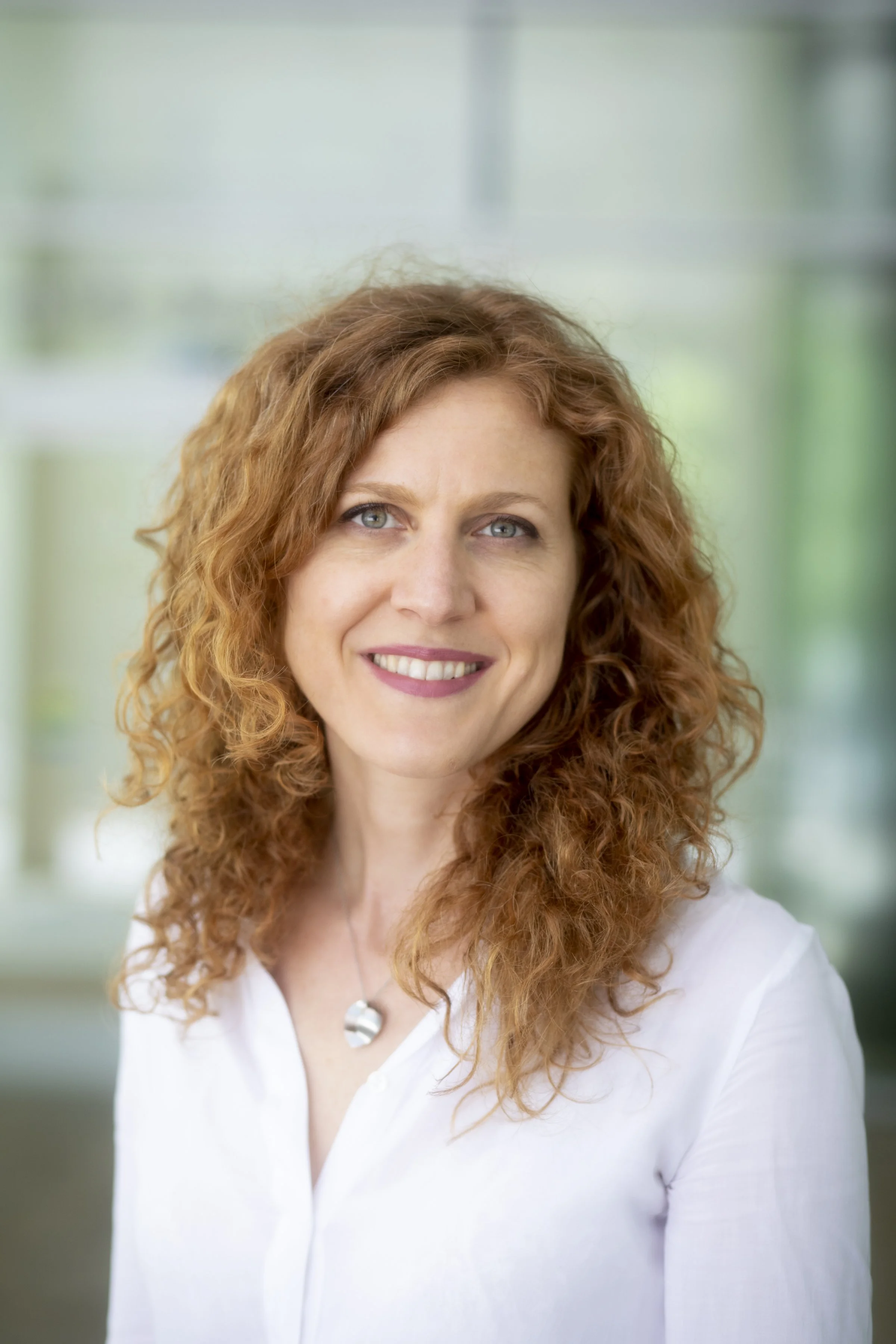
A/Prof Silvia Velasco - Murdoch Children’s Research Institute - Melbourne, Australia
-
A/Prof. Silvia Velasco leads the Neural Stem Cells Laboratory at the Murdoch Children's Research Institute and is Principal Investigator at the Novo Nordisk Foundation Center for Stem Cell Medicine, ReNEW, in Melbourne, Australia. Her laboratory uses advanced pluripotent stem cell-derived neural organoid models to study human brain development, understand brain diseases, and develop new and effective therapies. Her research interest in stem cell biology and developmental neuroscience began during her postdoctoral training at New York University and The Broad Institute of MIT and Harvard, in the USA. She completed her Ph.D. in Human Biology at the University of Turin in Italy.
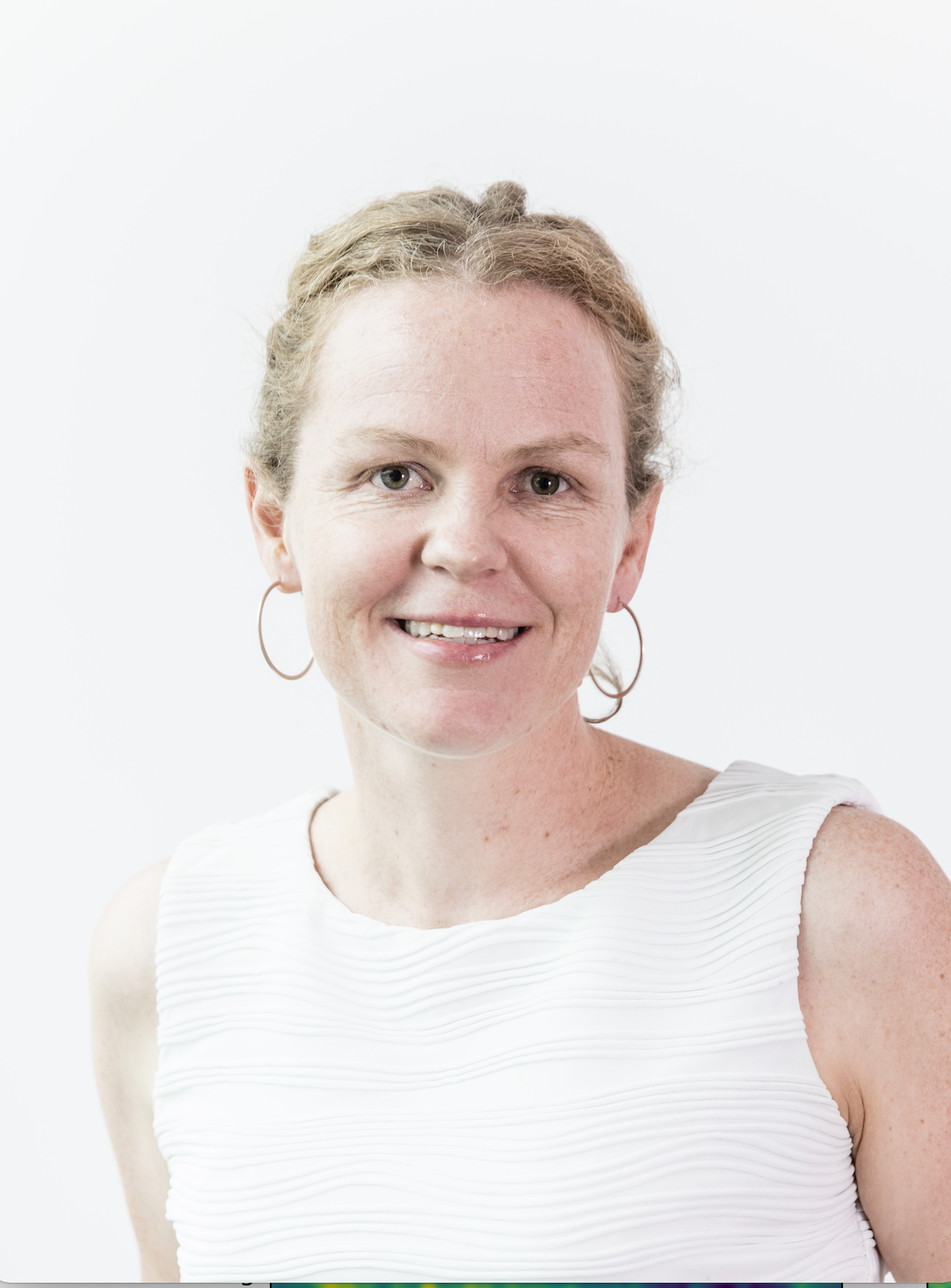
Prof Lucy Palmer - The Florey Institute, University of Melbourne, Australia
-
Professor Lucy Palmer is an ARC Future Fellow and NHMRC L1 Investigator who heads the Neural Network Laboratory at the Florey Institute of Neuroscience and Mental Health, University of Melbourne, Australia. She completed her Master of Science at the University of Minnesota, Ph.D at the Australian National University, and was a postdoctoral researcher at the University of Bern, Switzerland and Charite University, Berlin. Her research uses single cell imaging and electrophysiological techniques in human and mouse tissue to investigate dendritic integration during memory formation and how neural excitability is influenced by brain cancer.
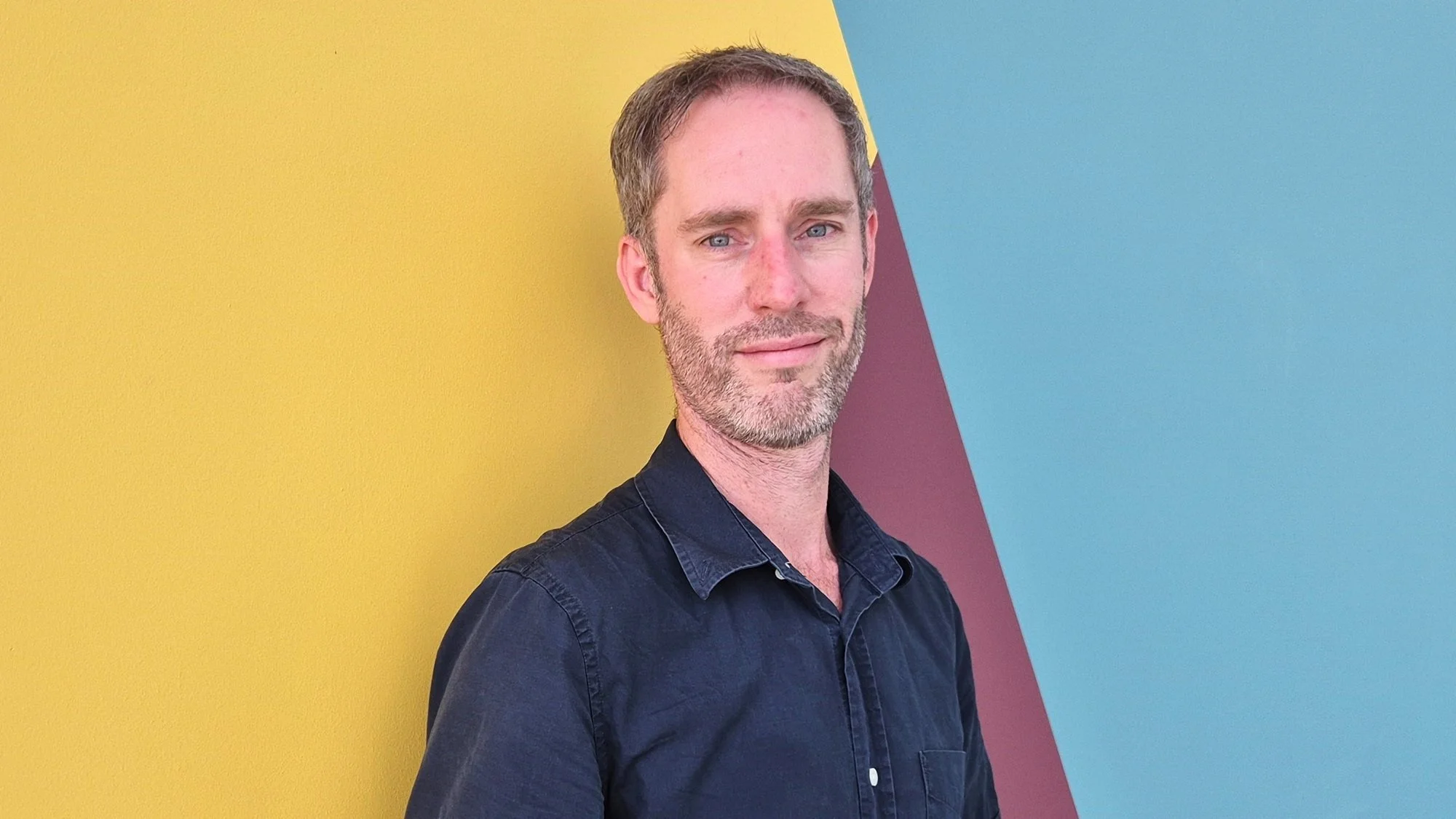
A/Prof Chris Bye - Flinders University, SAHMRI, Adelaide, Australia
-
Dr Bye leads the MND Drug Screening & Precision Medicine Program at the Florey Institute of Neuroscience. Focusing on the predominant sporadic form of MND/ALS, his team have generated an iPSC library with over 100 MND lines, recapitulated the hallmark degeneration of motor neurons from sporadic MND donors, and established a large-scale drug screening pipeline to identify and test new therapeutics for people with MND.
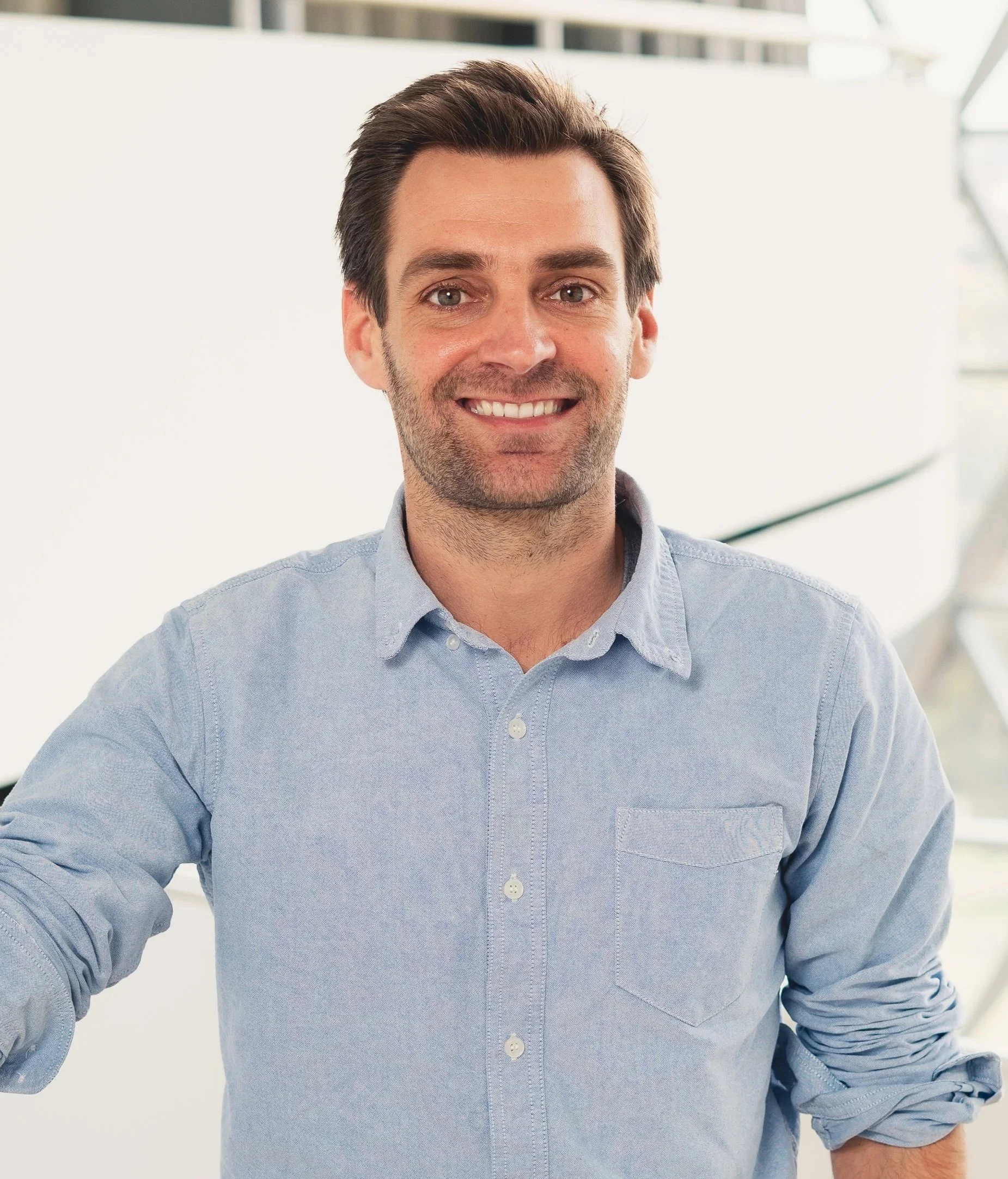
Prof Cedric Bardy - SAHMRI, Flinders University, Adelaide, Australia
-
Cedric is an ARC Future Fellow, Matthew Flinders Professor, and group leader at the South Australian Health and Medical Research Institute (SAHMRI) and Flinders University. He currently leads the Laboratory for Human Neurophysiology and Genetics (www.bardylab.com) and serves as the founding Director of the Brain Organoid Therapeutics Screening Platform (www.brainorganoidtherapeutics.com) based at SAHMRI.
Cedric’s research team focuses on developing therapeutics for adult and pediatric neurodegenerative disorders and brain cancer and plays a pioneering role in advancing human brain models in vitro. Cedric is internationally recognised for inventing BrainPhys™, a widely used neuromedium to culture human brain cells in vitro, and for groundbreaking contributions to using iPSCs to study genetic brain disorders.
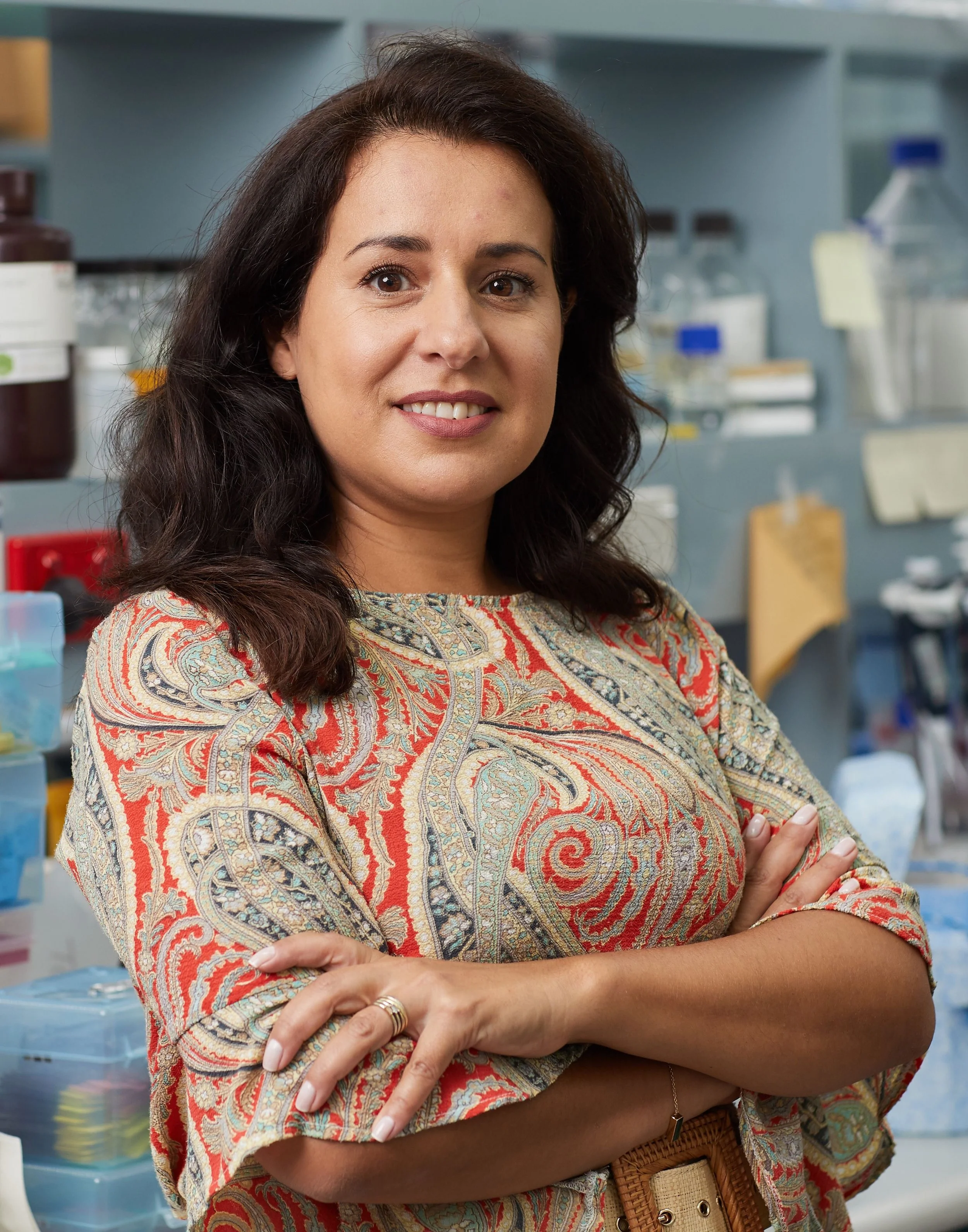
Prof Anai Gonzalez-Cordero - Children’s Medical Research Institute, University of Sydney, Australia
-
Associate Professor Anai Gonzalez-Cordero is a Al & Val Rosenstrauss Fellow, and a Group Leader at Children’s Medical Research Institute (CMRI), with a co-joint appointment at The University of Sydney.
Dr Gonzalez-Cordero is a leader in the field of stem cells and their differentiation into organoids with an emphasis on translational research to develop novel therapies for retinal genetic diseases.
Having started her scientific career in the UK, she obtained a Wellcome Trust PhD in Stem Cell and Developmental Biology and continued her work at the Institute of Ophthalmology, University College London. In 2019, Dr Gonzalez-Cordero relocated to Australia to continue her research programme in stem cells and ophthalmology. Her work in the field has led to numerous awards, including the MetCalf Prize for Stem Cell Research in 2022, and high impact studies including proof-of-concept studies for stem cell-based cell therapy by transplantation of the light sensing cells, the photoreceptor cells, which once in the eye can rescue vison perception in blind animal models.
Anai is a Board member for Retina Australia, the current Vice-President of the Australasian Society for Stem Cell Research (ASSCR) and a founding member of the NSW Organoid Innovation Centre and the Non-Animal technologies Network (NAT-Net). At CMRI she also heads the Stem Cell and Organoid Facility proving iPSC lines and human organoid models for Australian researchers.
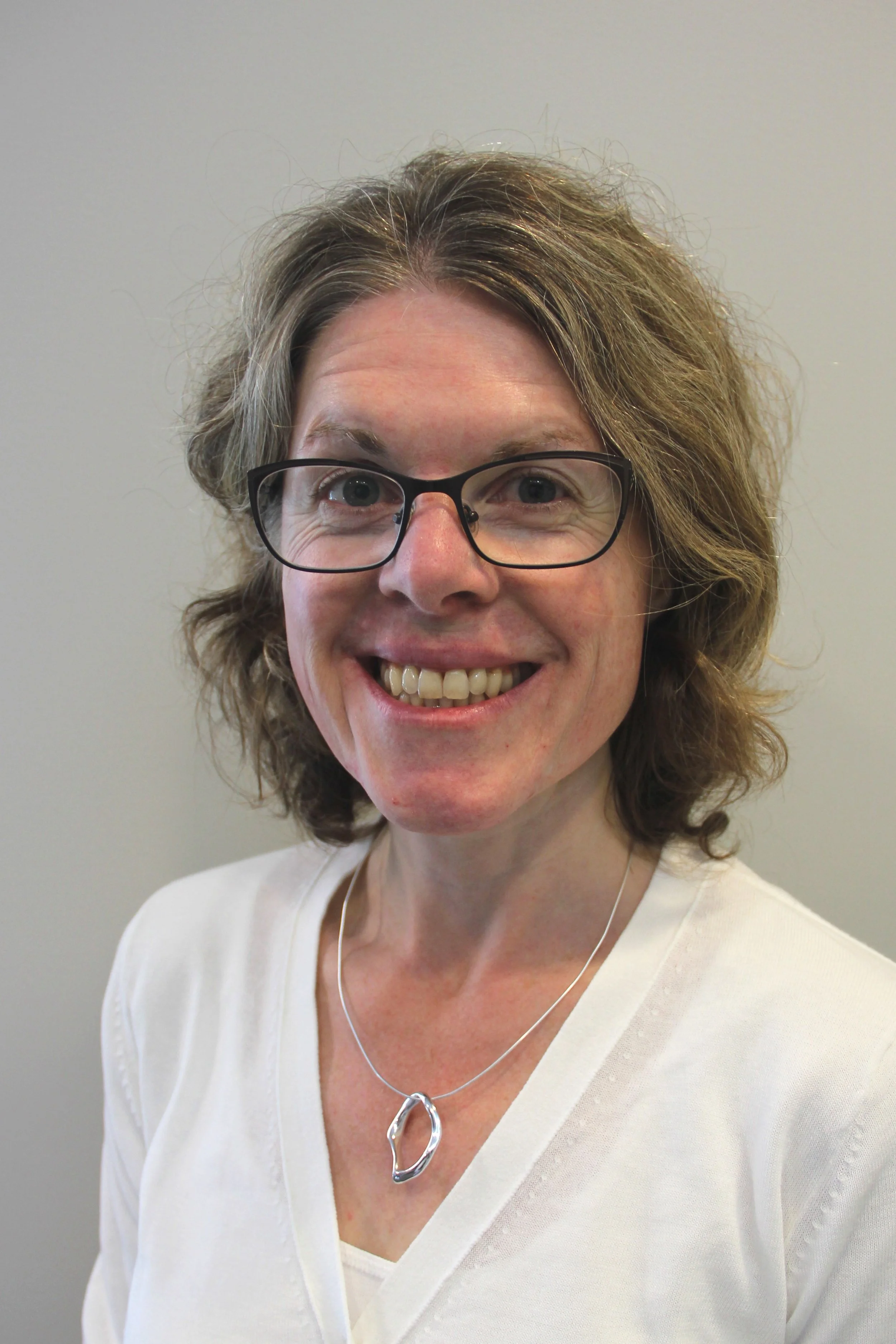
Prof Mirella Dottori - University of Wollongong, NSW, Australia
-
Professor Mirella Dottori is Head of the Stem Cell and Neural Modelling Laboratory within the School of Medical, Indigenous and Health Sciences, University of Wollongong. Her research expertise combines technologies in human pluripotent stem cell biology, neuroscience and bioengineering to develop cellular models of the human nervous system. Recognition of Dottori’s research achievements includes fellowship awards from Human Frontiers, NHMRC and ARC, and is a current member of Australian Research Council College of Experts.
Friedreich ataxia (FRDA) is an inherited disease whereby mutations in the Frataxin (FXN) gene causes progressive neurodegeneration and cardiomyopathy in FRDA individuals. Gene therapy is currently at the forefront as a potential approach to successfully treat FRDA. However, a major limitation is to identify suitable ‘SMART’ Adeno-associated virus (AAV) variant/s that can target both neural and cardiac tissues and avoid viral-induced liver toxicity. Furthermore, AAV-mediated delivery of FXN needs to be within a physiologically tolerant range, as high cellular Frataxin levels may induce cell toxicity. To address these challenges, we utilised FRDA iPSC-based platforms of dorsal root ganglia sensory neurons, cardiomyocytes and cerebellar organoids, together with human liver organoids, to screen AAV libraries containing both clinically available and novel bioengineered AAV variants. The iPSC-based platforms were also used to screen for suitable promoters to drive FXN expression within the AAV vectors. The major outcome of these studies is the development of novel and safe bio-engineered viral vectors to deliver Frataxin to disease-relevant target tissues.
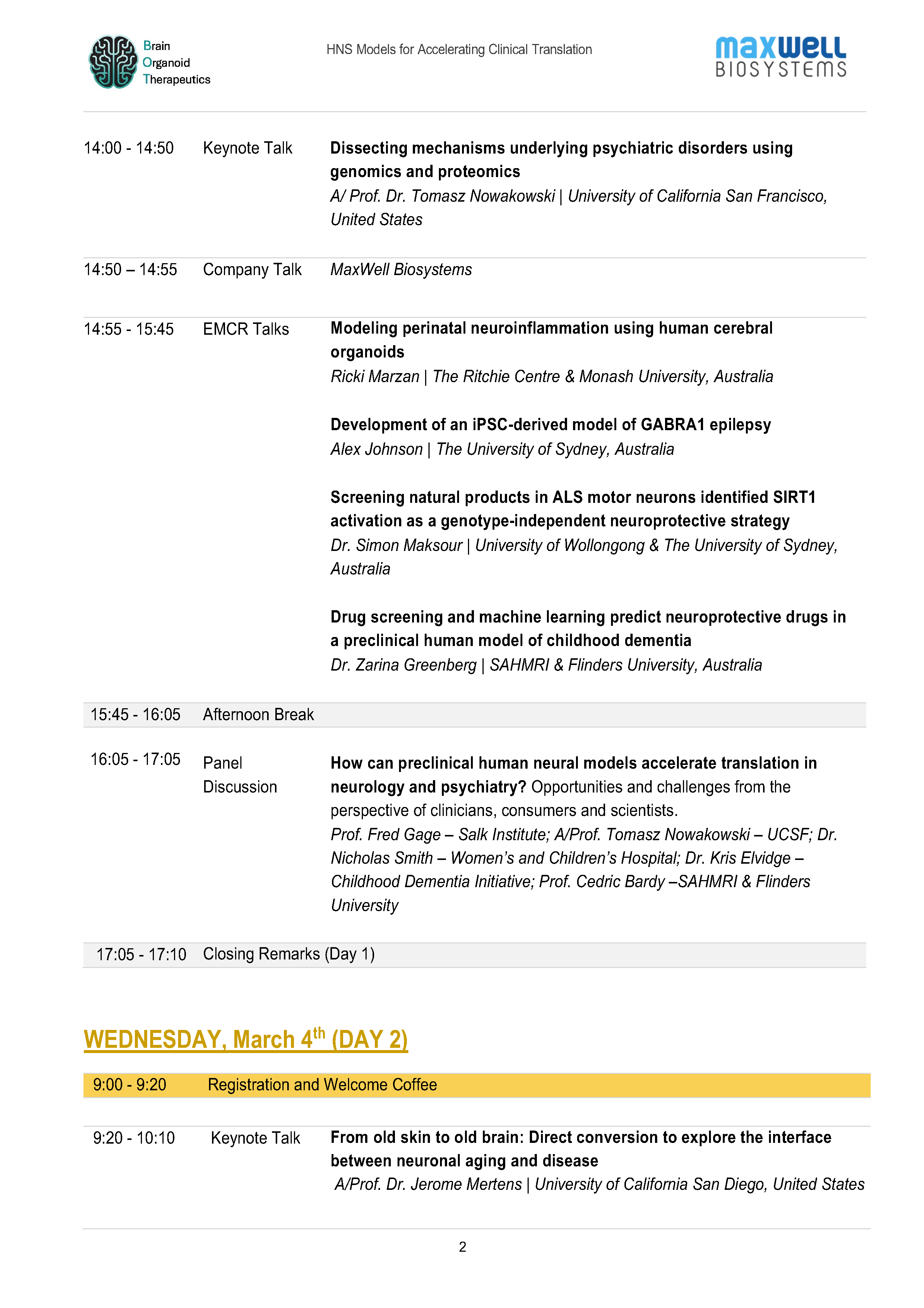
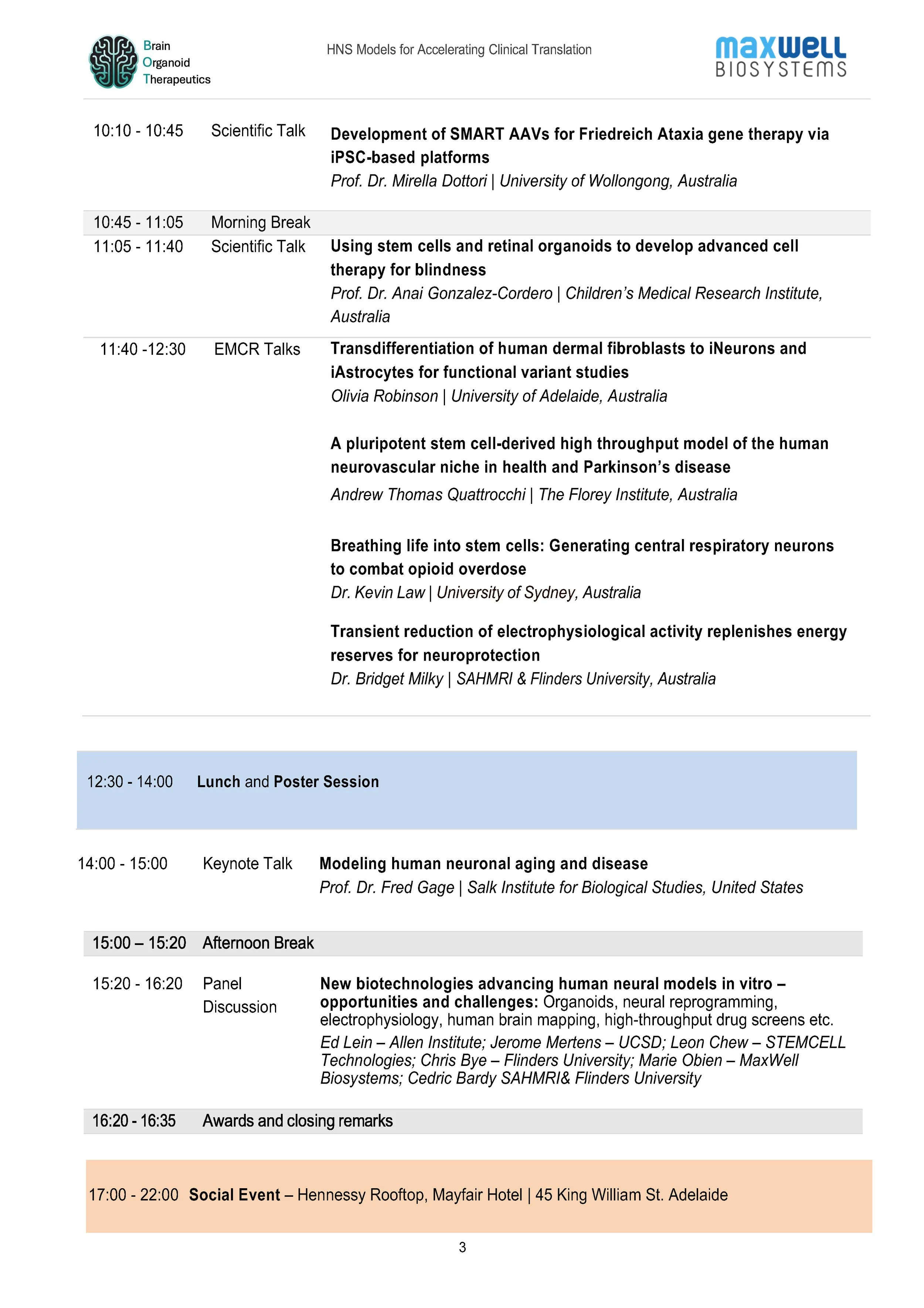
HNS Models Symposium – Australia 2026
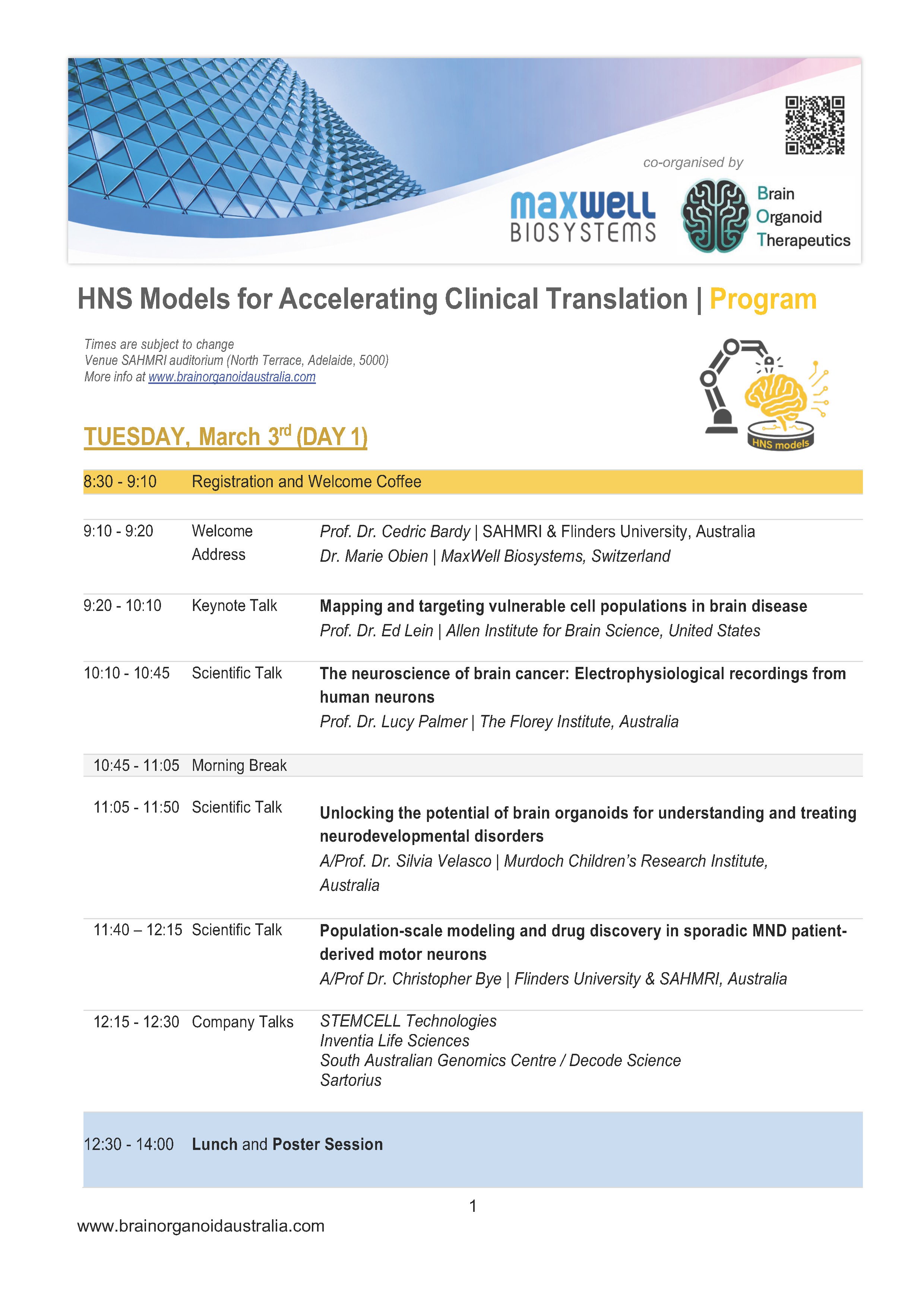
Program at a glance (Days 1–2-3) • SAHMRI, Adelaide • 3–5 March 2026
Download schedule V4; session times may shift slightly, and the program might need adjustments.
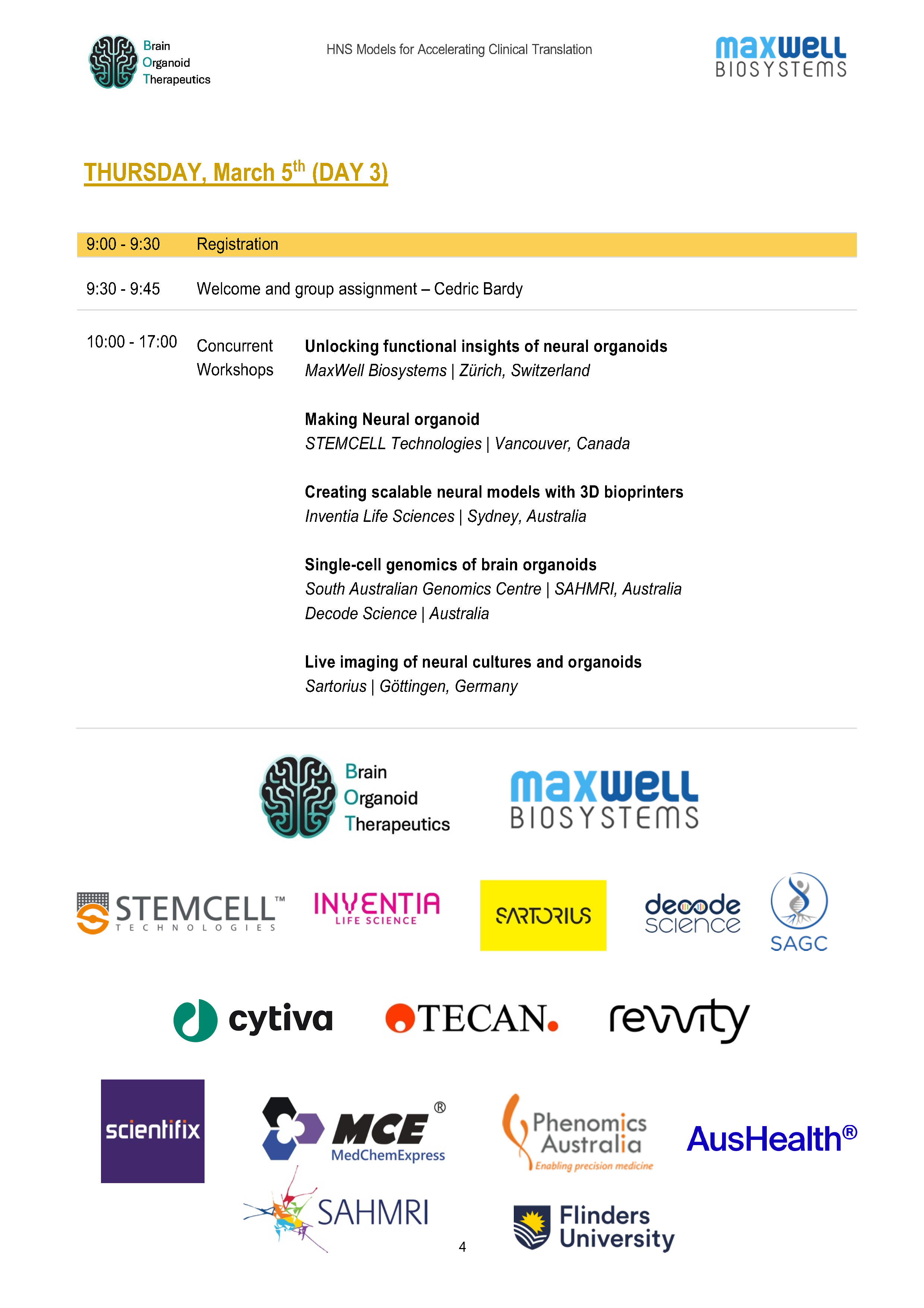
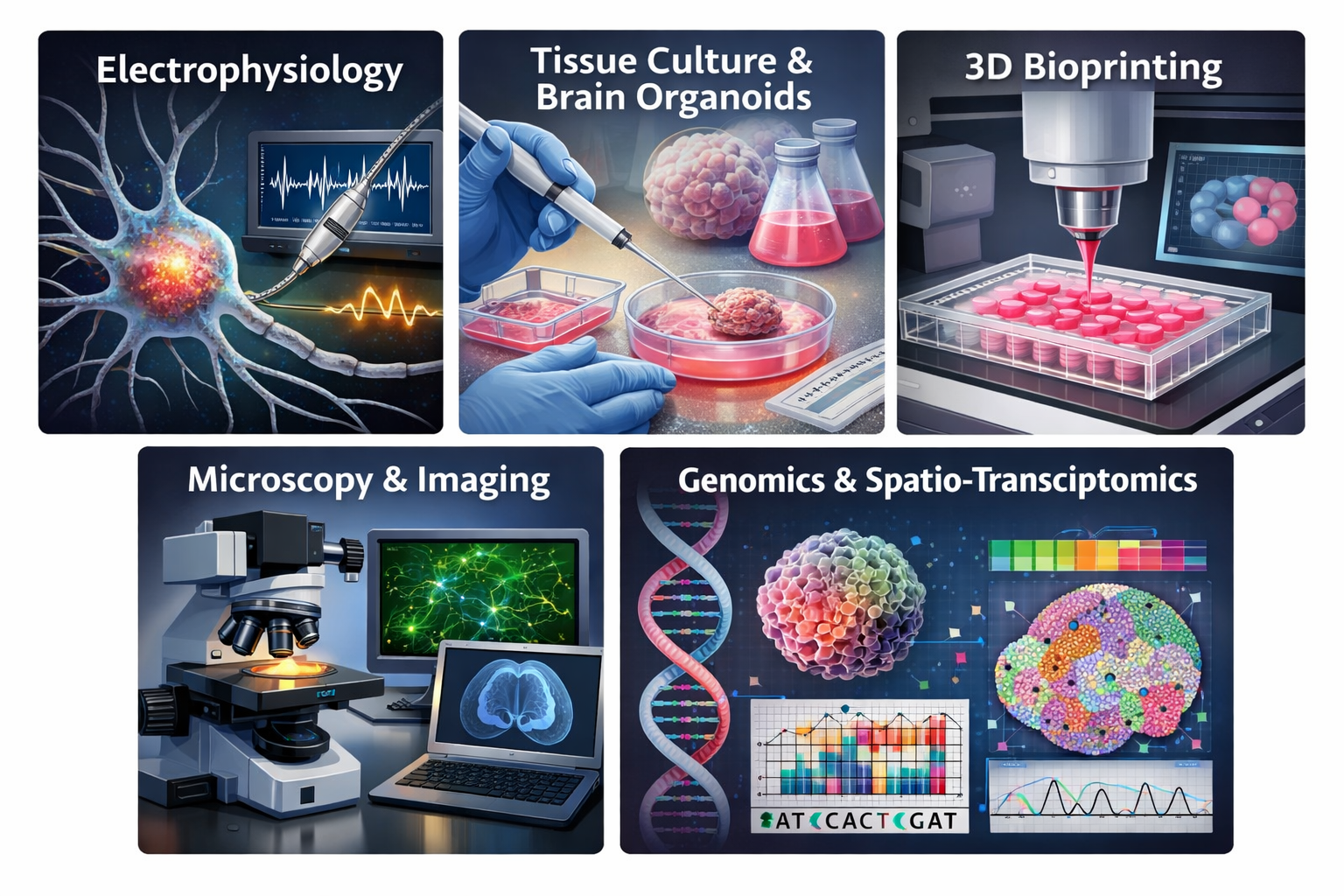
Five concurrent hands-on workshops
facilitated by Brain Organoid Therapeutics and the Bardy Lab at SAHMRI:
-
Neural organoids derived from human induced pluripotent stem cells (h-iPSCs) are becoming powerful tools for studying brain development and disease mechanisms. These 3D models and organoids provide non-invasive, rapid, patient-specific, and cost-effective approaches for drug discovery and disease modeling. As the field grows, there is a rising need for advanced technologies to assess the cellular composition, gene expression, and functional properties of different types of neural organoids.
MaxWell Biosystems’ High-Density Microelectrode Array (HD-MEA) technology enables researchers to capture neuronal activity at high resolution, without the need for labels. Both the MaxOne (single-well) and MaxTwo (multi-well) HD-MEA platforms allow precise observation, recording, and analysis of the electrophysiological behavior of electrogenic samples at the network, single-cell, and sub-cellular levels. These systems consistently provide robust, reproducible, and high-quality data across numerous scientific applications.
In this workshop, participants will:
Receive a step-by-step walkthrough on plating organoids onto the HD-MEA chip
See examples of high-resolution functional imaging of iPSC-derived models using the HD-MEA platform
Review results and analyses from iPSC-derived brain models representing different brain regions
Learn how HD-MEA technology advances the study of human iPSC-derived models and facilitates compound testing
The session will highlight practical applications of MaxWell Biosystems’ HD-MEA technology in monitoring the electrophysiological properties of brain organoids. Attendees will be guided through organoid plating on the HD-MEA chip and then introduced to datasets and analyses from previously recorded experiments. By the end of the workshop, participants will gain hands-on insights into acquiring reliable organoid data and evaluating functional properties across different samples with MaxWell Biosystems’ HD-MEA systems.
MaxWell Biosytems | Zürich, Switzerland
-
Human pluripotent stem cell (hPSC)–derived neural organoids are transformative in vitro models for investigating neurodevelopment, disease pathology, and drug efficacy. However, the successful generation and long-term maintenance of these complex 3D architectures require a deep understanding of neural induction principles, media optimization, and meticulous handling.
To streamline this process, STEMCELL Technologies has engineered specialized workflows utilizing the STEMdiff™, NeuroCult™, and BrainPhys™ product lines.
Key Learning Objectives
In this interactive workshop, participants will:
Differentiate Systems: Evaluate the compatibility and specific applications of STEMdiff™, NeuroCult™, and BrainPhys™ for both hPSC-derived and primary CNS tissue-derived organoids.
Scale Production: Master the use of AggreWell™ plates to generate hundreds of size-uniform neural organoids, ensuring consistency for high-throughput downstream applications.
Optimize the Microenvironment: Practice techniques for incorporating extracellular matrices (such as Matrigel® or STEMmatrix™ BME) to provide essential structural support for growth and expansion.
Refine Handling: Implement industry best practices for organoid manipulation to enhance workflow efficiency and experimental reproducibility.
Quality Assessment: Learn to distinguish morphological and histological markers of high-quality versus suboptimal organoid formation.
Conclusion
By the conclusion of this session, participants will be equipped to integrate these advanced techniques into their own research, allowing them to design and troubleshoot neural organoid experiments with significantly greater precision and confidence.
STEM CELL Technologies | Vancouver, Canada
-
Creating Scalable, Biomimetic neuronal models using RASTRUM Drop-on-Demand Bioprinting
Current in vitro neuronal models are limited in their capacity to recreate the neuronal tissue environment and cellular complex 3D arrangement. This workshop provides a hands-on demonstration of how to use Inventia's novel bioprinting platform RASTRUM which addresses the limitation of 2D and suspension neuronal cultures by generating tissue-relevant, scaled 3D CNS models.
Participants will gain practical expertise in the complete workflow for creating complex 3D neuronal cultures at scale:
Informed in vitro model selection: select the in vitro model tailored to specific research questions, whether specific neuronal subtype mono culture, neuronal-glial co-cultures, or multi-region network and migration models.
Modelling the brain tissue extracellular matrix: We will demonstrate how to select RASTRUM matrix options for tissue-matched culture environments. The poly ethylene glycol-based hydrogel library contains extracellular conditions to provide an ideal environment for cell growth and differentiation over long culture periods.
Streamlined Bioprinting across well plates: Detailed use of the RASTRUM drop-on-demand printing platform to create highly reproducible hydrogel 3D cultures from mono to complex co-cultures for low and high throughput experiments.
Downstream Analysis: Finally, participants will learn the standardized methods for quantifying these advanced models, including immunostaining, functional assays, and molecular analysis.
By demonstrating this scalable 3D neuronal culture approach, this workshop will illustrate how bioprinted models can address the limitations of other 3D CNS systems by meeting crucial requirements for disease modeling and drug screening.
Inventia Life Sciences | Sydney, Australia
-
Parsing Brain Organoids One Cell at a Time
Join South Australian Genomics Centre (SAGC )and Decode Science for an in-depth workshop showcasing the capabilities of the Parse Biosciences single cell platform and its application to brain organoid research. As a certified Parse service provider, SAGC offers a complete workflow from single cell barcoding and library preparation to cost-effective sequencing using the MGI platform and downstream data analysis.
This session will highlight how Parse single cell transcriptomics technology differs from traditional droplet-based approaches, including itsspecies-agnostic chemistry and freedom from cell size limitations, making it ideally suited for neuron-like and organoid-derived cells. Attendees will gain insight into the workflow, experimental design, and budgeting considerations for Parse single cell projects with integrated MGI sequencing options.
The workshop will also feature a demonstration of Trailmaker, Parse’s intuitive cloud-based analysis platform, showcasing how it streamlines data analysis and visualization for single cell studies.
Whether you are new to single cell genomics or looking to enhance your organoid research, this session will provide practical guidance and examples from SAGC’s experience delivering Parse single cell and MGI sequencing services.
South Australian Genomics Centre | Adelaide, Australia
Decode Science | Australia
-
Designed to reside within the controlled environment of an incubator, the Incucyte® is a purpose-built live-cell analysis platform. Incucyte®’s non-invasive image acquisition capabilities can therefore allow researchers to capture the long-term time-course of cellular biology. As well as the Incucyte® system, Sartorius also offers a suite of optimized live-cell reagents, protocols, and software modules for a complete ‘integrated solution’, making live-cell analysis turnkey and accessible to the everyday scientist. In this workshop, we will review the Incucyte® live-cell analysis workflow and software solutions
Sartorius | Göttingen, Germany




Tuesday 3rd March 2026
9am - 5pm
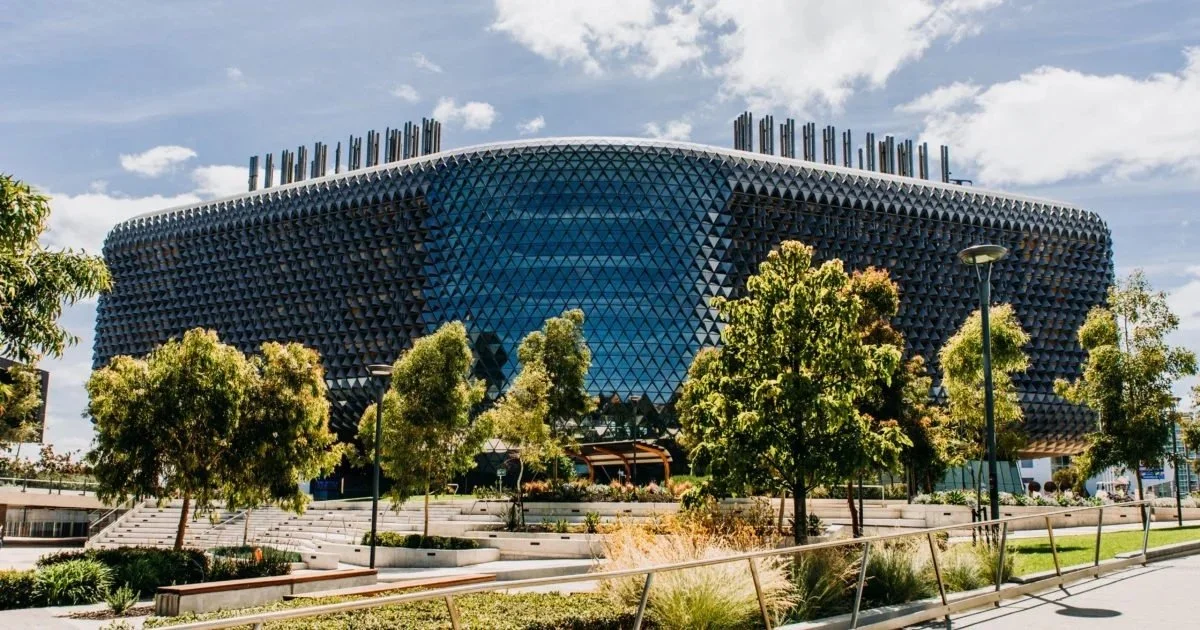
SAHMRI Auditorium
Scientific Talks + Posters
Day 1 - Scientific Talks and Posters
Wednesday 4th March 2026
9am - 5pm
SAHMRI Auditorium
Scientific Talks + Poster
Day 2 - Scientific Talks and Posters
See speakers list above
Day 2 - Social event
Wednesday 4th March 2026
5pm -10 pm
Privatised Hennessy Rooftop Bar at the Mayfair Hotel
Food, drinks and music included! Perfect way to socialise and meet outstanding scientists in the field of human brain research.
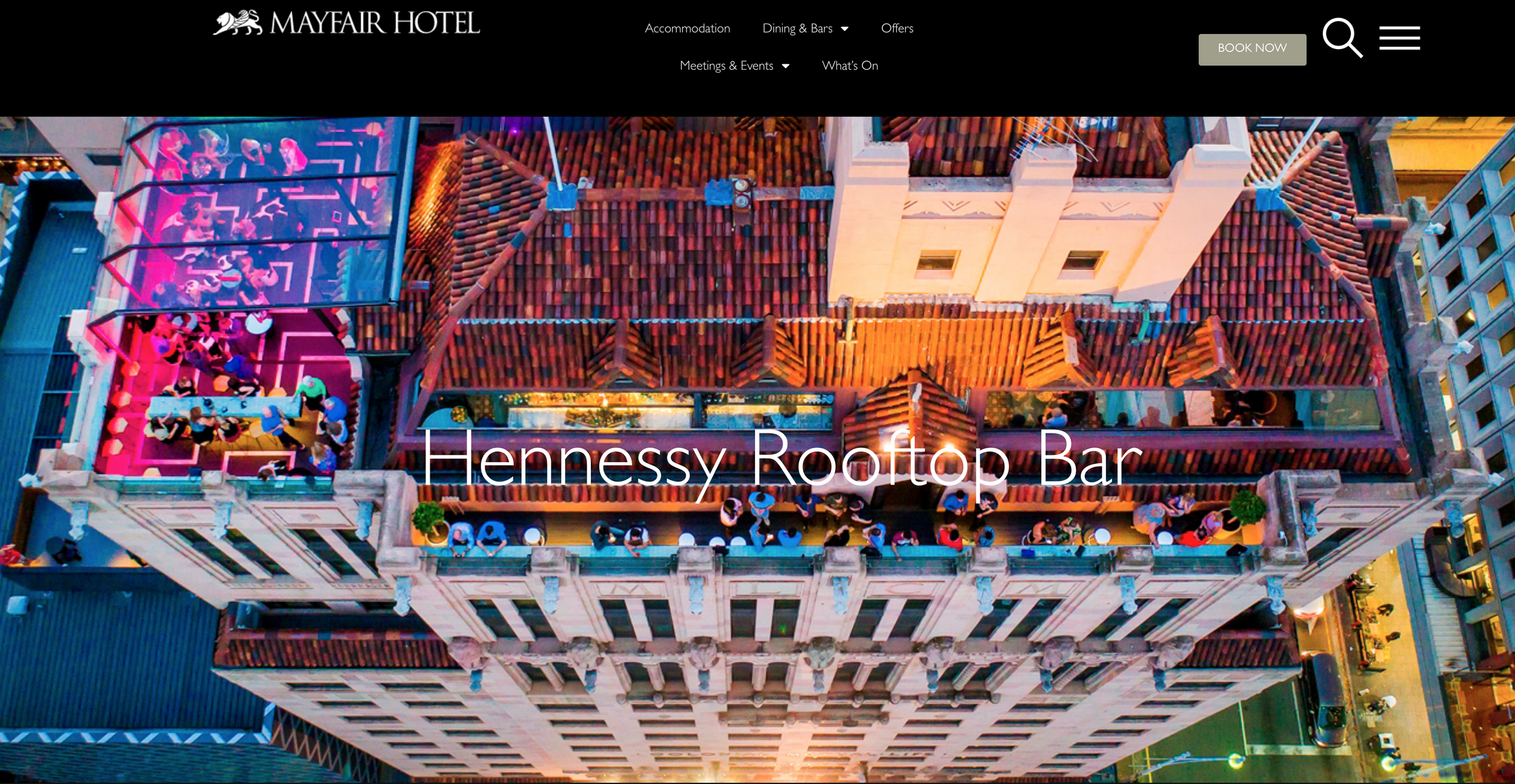
HENNESSY Rooftop Bar, atop the Mayfair Hotel, is a stylish retreat in the heart of Adelaide and walking distance from SAHMRI. A nod to the heritage-listed CML Building’s original architects, it blends timeless elegance with contemporary design. Enjoy year-round indoor and outdoor spaces with chandeliers, bespoke furnishings, and sweeping views of Rundle Mall, King William Street and the city skyline.
Thursday 5th March 2026
9am - 5pm
SAHMRI - Bardy Lab
Hands-on lab workshop covering all aspects of culturing and analysing human neural cells and organoids. Our team of experts will provide technical tissue culture tricks to make the best brain organoids or 3D bioprinted cell cultures and analyse them with electrophysiology, genomics and imaging.